
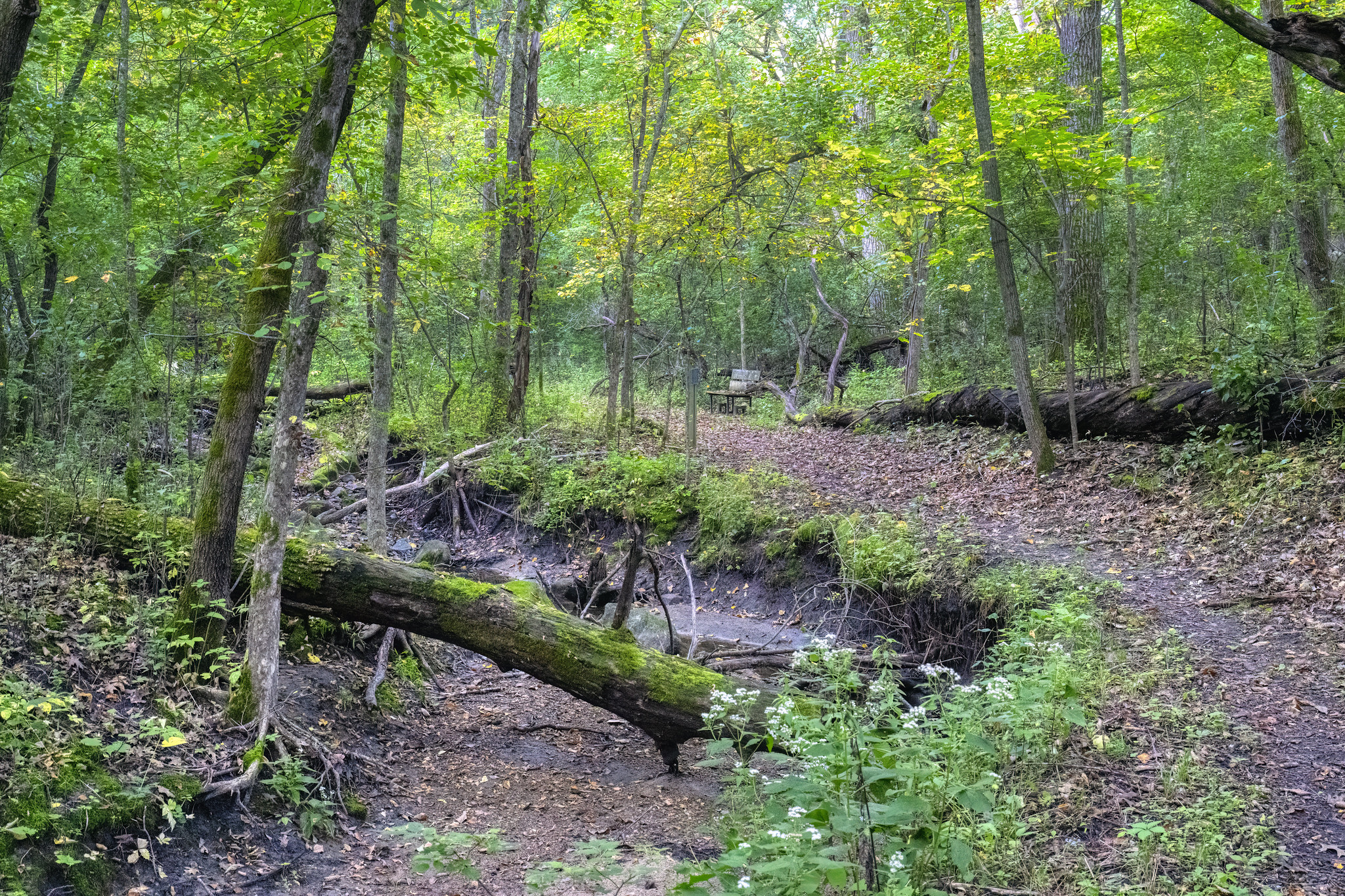
Today, many of us think of nature as something “out there,” a place we visit on weekends or vacations. We go into nature the same way we might go into a museum: as observers, not participants.
But what if nature isn’t separate from us at all? What if we are nature?
Over time, modern society has built a deep divide between humans and the natural world. We’ve altered ecosystems, paved over habitats, and filled the air with carbon. Yet even in cities and suburbs, life finds a way. Nature is not only in national parks and remote forests-it’s in sidewalk cracks, backyard gardens, and the spaces between buildings. If something is growing, nature is there.
This raises a powerful question: How can we reconnect with the natural world—not as users, but as kin?
Robin Wall Kimmerer, author of Braiding Sweetgrass and a member of the Potawatomi Nation, offers a transformative perspective. She reminds us that nature is not a resource, it’s a relative. In her culture, plants are referred to not as “it,” but as “ki,” honoring their personhood. This subtle linguistic shift changes everything.
When we see nature as kin, not commodity, our role changes. We’re no longer consumers; we’re participants in a living web. Kimmerer writes, “We are the younger siblings of Creation… and as younger siblings, we have the capacity to learn, to listen, and to give back.”
Yes, time in nature improves our health. It reduces stress, boosts immunity, and sparks creativity. But there’s a difference between using nature and being in relationship with it.
- Recreation is hiking a trail.
- Relationship is learning the trail’s plants, thanking the land, and picking up trash.
- Recreation is doing yoga on a mountaintop.
- Relationship is asking the mountain what it needs, and listening.
Reconnecting with nature doesn’t require remote wilderness. It can start in your backyard, at the local park, or even on your walk to the store. Here are a few ways to begin:
- Learn the Language of the Land
Start by learning the names of local plants, birds, and bugs. Recognition is the first step toward relationship. - Practice the Honorable Harvest
An Indigenous principle that teaches us to only take what we need, use everything, give thanks, and give back. This isn’t just sustainability, it’s moral ecology. - Sit and Listen
Try spending just 10 minutes outside without a goal. Watch, listen, and notice. Let nature be the teacher. - Offer Gifts in Return
Whether it’s compost, a cleanup effort, a song, or simply a moment of gratitude, give something back to affirm your relationship with the Earth.
Connection starts early. When children interact with nature, their reactions often mirror ours. If we show disgust at worms or bugs, they learn to fear or dismiss them. But if we show curiosity, they’ll follow our lead. A simple moment, like holding a worm, can be a lesson in empathy, science, and wonder.
We’re living in a time of ecological crisis, but also ecological awakening. The problems we face aren’t just scientific. They’re relational. They stem from forgetting who we are, not rulers of nature, but part of it.
It’s time to stop asking, “What can we take?” and start asking, “How can we give back?”
As Kimmerer says, “As we work to heal the Earth, the Earth heals us.”
So go outside, not just to be in nature, but to be with nature. Notice. Listen. Offer thanks. Protect what’s left. Plant something new. Re-enter the relationship we were always meant to have.
Because the earth has always been inviting us into connection. It’s time we said yes.
A Blessing to You
May your feet find the path,
and your eyes look beyond the surface.
May you pause long enough to see,
and listen deeply enough to hear,
what nature and God are gently offering.
May you go with openness,
and give others the same spacious grace,
to discover wonder in their own way,
in their own time.
Megan van Deusen is Nature Educator & Facilities Coordinator at Mount Olivet Conference & Retreat Center
Discover more from Mount Olivet Conference & Retreat Center
Subscribe to get the latest posts sent to your email.